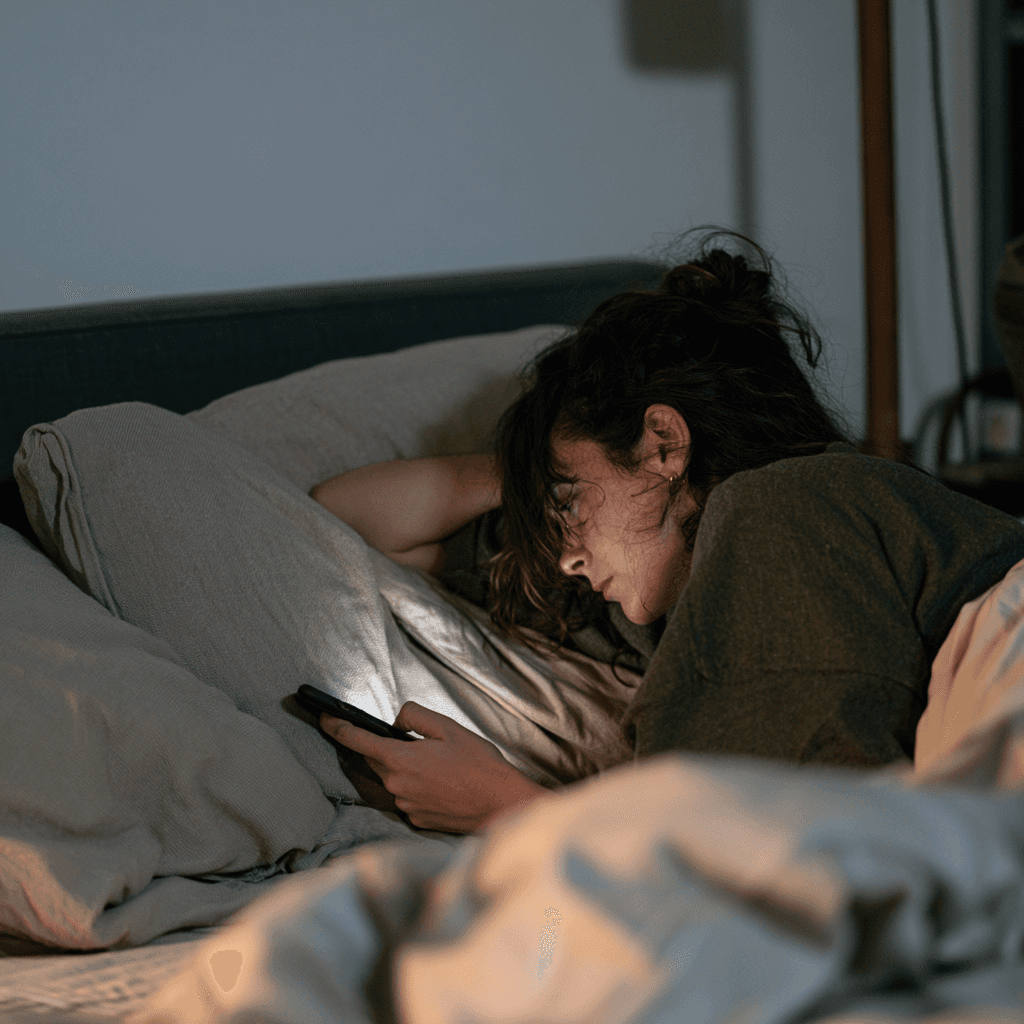
A toll-free hotline is no match for an always-on, AI-powered casino in your pocket.
Gambling is instant, private, personalized and available every waking hour. Anytime access, privacy and constant promotions make it easier to start, harder to stop and easier to hide. The market is evolving and the support systems meant to protect people can’t keep up.
A toll-free hotline is no match for an always-on, AI-powered casino in your pocket.
Gambling is instant, private, personalized and available every waking hour. Anytime access, privacy and constant promotions make it easier to start, harder to stop and easier to hide. The market is evolving and the support systems meant to protect people can’t keep up.
A toll-free hotline is no match for an always-on, AI-powered casino in your pocket.
Gambling is instant, private, personalized and available every waking hour. Anytime access, privacy and constant promotions make it easier to start, harder to stop and easier to hide. The market is evolving and the support systems meant to protect people can’t keep up.
“Why can’t you just stop?” Yeah, we’ve heard that before.
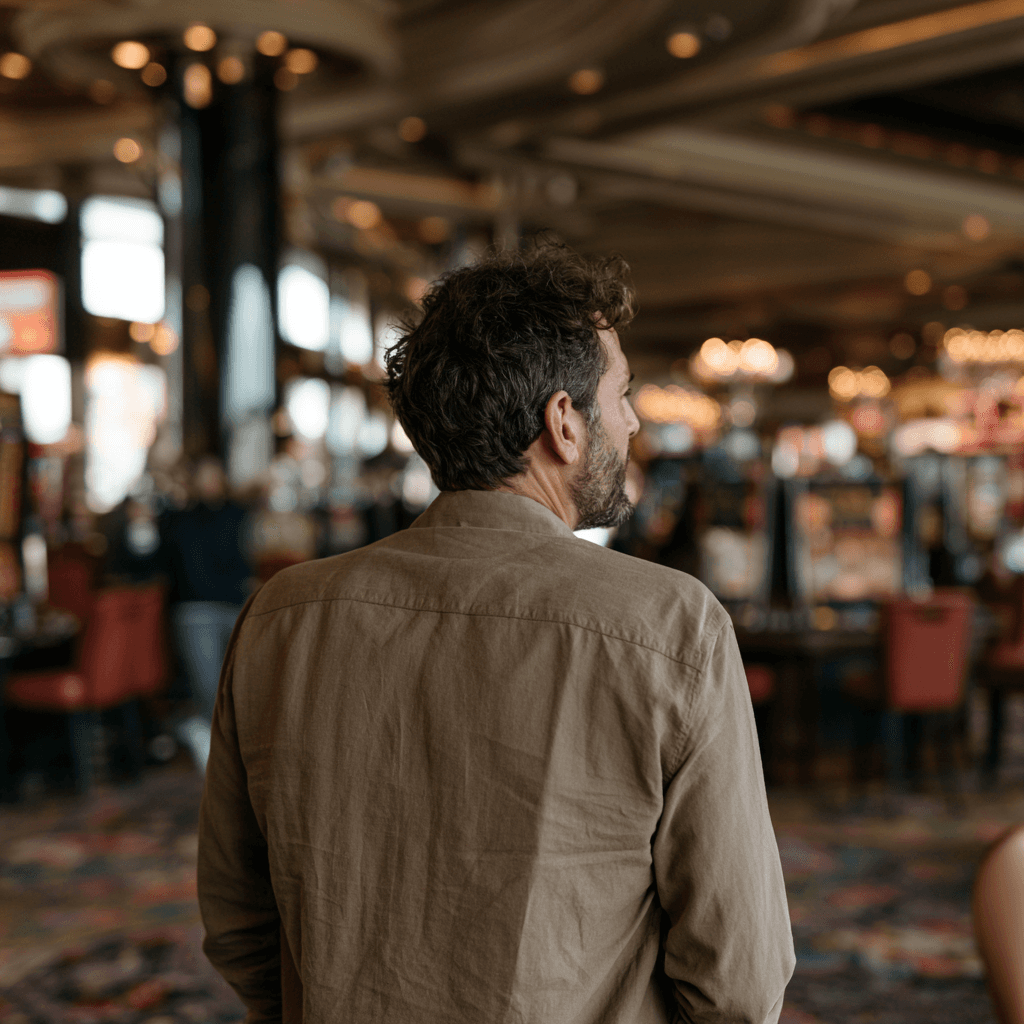
Sometimes we can hear ourselves say “stop,” only to place the next bet seconds later. We know the terror of watching our actions stop making sense; of seeing what gambling is taking from us and the people we love, yet feeling unable to interrupt the next decision.
We know what it can feel like to be fully awake, watching ourselves do the very thing we meant not to do. That is not a failure of intelligence, willpower or love. It can be what happens when gambling products remove nearly every pause in which control might return.
“Why can’t you just stop?” Yeah, we’ve heard that before.
Sometimes we can hear ourselves say “stop,” only to place the next bet seconds later. We know the terror of watching our actions stop making sense; of seeing what gambling is taking from us and the people we love, yet feeling unable to interrupt the next decision.
We know what it can feel like to be fully awake, watching ourselves do the very thing we meant not to do. That is not a failure of intelligence, willpower or love. It can be what happens when gambling products remove nearly every pause in which control might return.
“Why can’t you just stop?” Yeah, we’ve heard that before.
Sometimes we can hear ourselves say “stop,” only to place the next bet seconds later. We know the terror of watching our actions stop making sense; of seeing what gambling is taking from us and the people we love, yet feeling unable to interrupt the next decision.
We know what it can feel like to be fully awake, watching ourselves do the very thing we meant not to do. That is not a failure of intelligence, willpower or love. It can be what happens when gambling products remove nearly every pause in which control might return.
The bet is private. The consequences are everywhere.
The bet is private. The consequences are everywhere.
By the time gambling harm becomes visible, the damage is likely to be catastrophic, and it’s never limited to the individual making the bet. Partners carry the secrecy and fear. Children feel the instability. Savings disappear, bills go unpaid. Life becomes a series of crisis moments. Managing to survive becomes the goal.
Gambling is easier to hide than most addictions. Because there may be no obvious outward signs, the problem keeps worsening, even as friends, families and loved ones struggle to understand what is happening.
By the time gambling harm becomes visible, the damage is likely to be catastrophic, and it’s never limited to the individual making the bet. Partners carry the secrecy and fear. Children feel the instability. Savings disappear, bills go unpaid. Life becomes a series of crisis moments. Managing to survive becomes the goal.
Gambling is easier to hide than most addictions. Because there may be no obvious outward signs, the problem keeps worsening, even as friends, families and loved ones struggle to understand what is happening.


A doctor might see signs of anxiety, depression or substance use. A boss might see unexplained absences or declining job performance. A bank sees the suspicious transactions and mounting debts. The justice system sees the fallout only after the crisis has escalated. Each encounters one symptom; most never see gambling as the shared underlying cause.
A doctor might see signs of anxiety, depression or substance use. A boss might see unexplained absences or declining job performance. A bank sees the suspicious transactions and mounting debts. The justice system sees the fallout only after the crisis has escalated. Each encounters one symptom; most never see gambling as the shared underlying cause.

The harm crosses systems and borders. The support system does not.
In the US today, there is zero federal funding to support people impacted by gambling harm. This leaves states weaving together a disconnected, patchwork system of agencies, hotlines, health providers, peer groups and local programs. Each acts as a node for part of the problem, but rarely do they share a common way to recognize gambling harm, respond early or connect someone to the right support. For individuals in crisis, asking for help becomes needlessly difficult and overwhelming.
The harm crosses systems and borders. The support system does not.
In the US today, there is zero federal funding to support people impacted by gambling harm. This leaves states weaving together a disconnected, patchwork system of agencies, hotlines, health providers, peer groups and local programs. Each acts as a node for part of the problem, but rarely do they share a common way to recognize gambling harm, respond early or connect someone to the right support. For individuals in crisis, asking for help becomes needlessly difficult and overwhelming.
The harm crosses systems and borders. The support system does not.
In the US today, there is zero federal funding to support people impacted by gambling harm. This leaves states weaving together a disconnected, patchwork system of agencies, hotlines, health providers, peer groups and local programs. Each acts as a node for part of the problem, but rarely do they share a common way to recognize gambling harm, respond early or connect someone to the right support. For individuals in crisis, asking for help becomes needlessly difficult and overwhelming.
The question is not whether we need support. It is whether we build it early enough.
The current system waits for people to recognize the problem, reach a crisis and find the right door on their own. A modern gambling market requires a support system that meets people where they are, and a connected response for families, providers and communities trying to help.
The question is not whether we need support. It is whether we build it early enough.
The current system waits for people to recognize the problem, reach a crisis and find the right door on their own. A modern gambling market requires a support system that meets people where they are, and a connected response for families, providers and communities trying to help.
The question is not whether we need support. It is whether we build it early enough.
The current system waits for people to recognize the problem, reach a crisis and find the right door on their own. A modern gambling market requires a support system that meets people where they are, and a connected response for families, providers and communities trying to help.